 Skip to content

Oh, the magic of a truly classic Latin dessert! It’s more than just sugar and spice, you know? It’s like a warm hug from a faraway abuela, a vibrant fiesta in your mouth. I still remember the first time I had a perfectly made flan – that silky smooth texture, the rich caramel… it was pure bliss. It instantly took me back to a trip I took years ago, where every corner seemed to offer a new sweet adventure. These traditional Latin desserts aren’t just recipes; they’re stories, passed down through generations, carrying the heart and soul of so many cultures. I’ve spent years diving into these delicious traditions, and trust me, there’s a whole world of incredible flavors waiting for you.
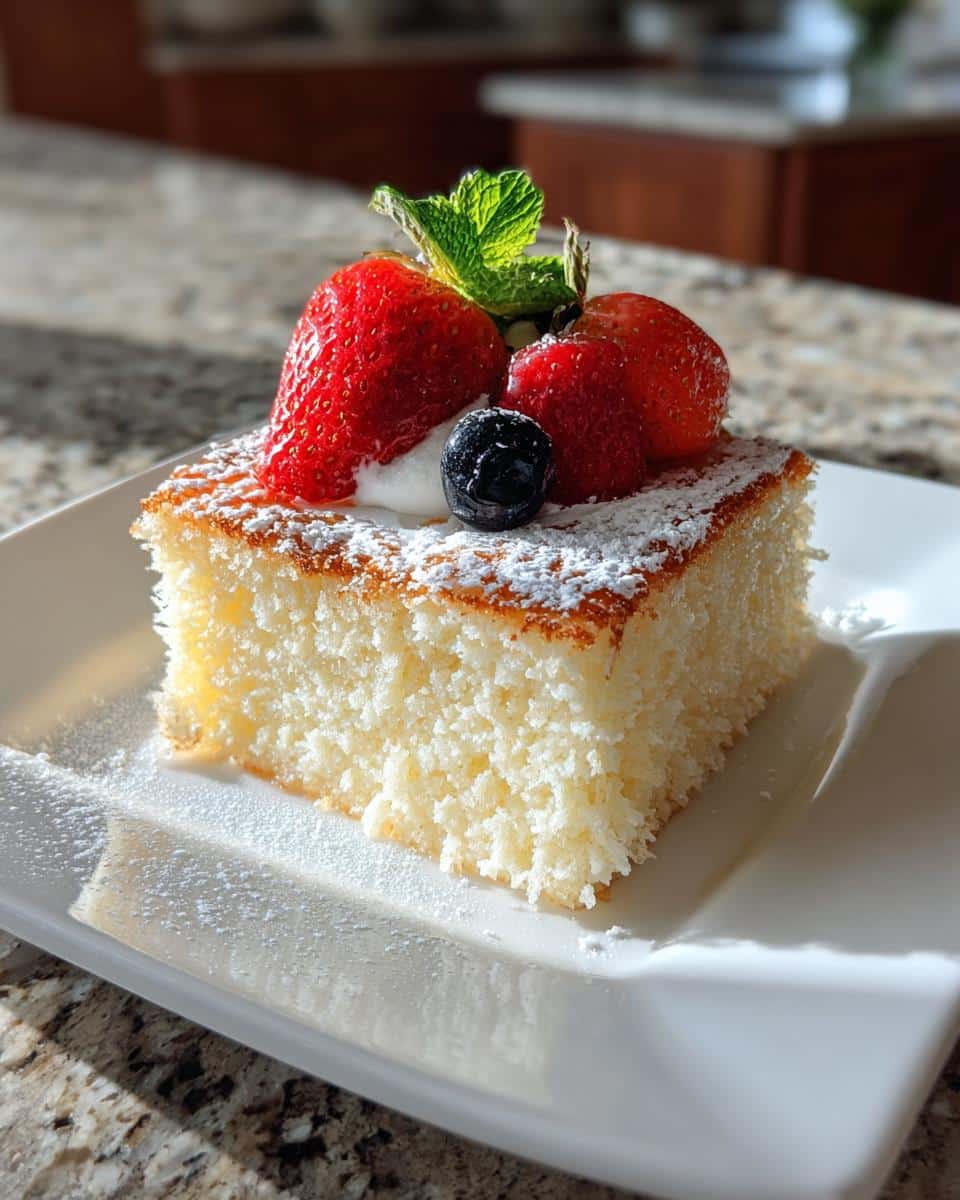
Why You’ll Love These Classic Latin Desserts
Seriously, you are going to adore these traditional treats! They’re not just desserts; they’re little bites of happiness that bring the whole vibe of Latin America right into your kitchen. Get ready for:
- Authentic flavors: We’re talking about the real deal, tastes that will instantly whisk you away.
- Perfect for every moment: Whether it’s a big celebration or just a Tuesday that needs a little sparkle, these sweets are your go-to.
- A delightful exploration: Dive into a world of traditional latin desserts that are as fun to make as they are to eat.
- Approachable recipes: You don’t need to be a master baker! These classic latin desserts are totally doable and so rewarding.
Gathering Your Ingredients for Classic Latin Desserts
Alright, let’s talk ingredients! For these amazing traditional latin desserts, you’ll want to have some good quality staples on hand. Think of it like building a flavor foundation. You’ll definitely need some all-purpose flour – it’s the backbone of so many of these sweets. And sugar, of course! We’ll use granulated for sweetness, maybe some packed brown sugar for that deeper, caramel-y goodness, or even piloncillo if you can find it, especially for classic Mexican desserts. Don’t forget your large eggs and good old unsalted butter, usually softened or melted depending on the recipe. Whole milk often gives that perfect richness, but sometimes evaporated or condensed milk adds a special kind of creamy magic you just can’t beat. High-quality chocolate is a must for many recipes, whether it’s baking bars, cocoa powder, or chips. And the spices! Cinnamon is king, often with a touch of nutmeg. Pure vanilla extract is non-negotiable for that lovely aroma. If you’re going for tropical latin desserts, fresh or frozen mango, guava, or pineapple will be your best friends – just make sure they’re ripe and ready to go!
Essential Equipment for Classic Latin Desserts
You don’t need a fancy pro kitchen for these popular latin american sweets! Just a few key tools will get you going. Make sure you have a good set of mixing bowls, a sturdy whisk, and a few spatulas for scraping every last bit of batter. Measuring cups and spoons are super important for accuracy. You’ll also need a selection of baking pans – different sizes are helpful! Saucepans are essential for custards and caramel. An electric mixer can be a lifesaver for creaming butter and sugar, but don’t worry if you don’t have one; good old elbow grease with a whisk works too! And if you’re making things like churros, piping bags and tips come in handy.
How to Prepare Classic Latin Desserts: Step-by-Step Guide
Okay, let’s get down to business and make some magic happen! Preparing these classic Latin desserts is all about a few simple, organized steps. First things first, Step 1: Ingredient Prep. This is where you get everything measured out precisely. Wash, peel, and chop those gorgeous fruits – whether they’re going into a cake or a pudding. Make sure your butter is softened and your eggs and milk are at room temperature if the recipe calls for it; it really makes a difference!
Next up, Step 2: Mixing and Combining. Generally, you’ll mix your dry ingredients in one bowl and your wet ones in another. Then, it’s gradual incorporation, mixing *just* until everything comes together. Overmixing is the enemy of tender desserts, so be gentle! For batters and doughs, you’ll follow the specific recipe’s guidance for creaming butter and sugar, adding eggs, and then alternating the dry and wet stuff. It’s like a little dance!
Then comes Step 3: Preparing for Cooking or Chilling. This is crucial! Get that oven preheated to the exact temperature the recipe says – no guessing here! Grease and flour your pans really well, or get your molds ready. If you’re making a no-bake treat, make sure your dishes are clean and ready to go in the fridge.
Now for Step 4: Cooking or Chilling. This is where the transformation happens! Bake your goodies until a toothpick comes out clean, or pour those creamy mixtures into their dishes and let the fridge work its magic. If you’re frying up something delicious, make sure that oil is at the perfect temperature so they get nice and golden without getting greasy. You can learn more about proper frying temperatures on Serious Eats.
Finally, Step 5: Cooling and Finishing. Let those baked and fried treats cool down on a wire rack – this is important for texture! For chilled desserts, just take them out before serving. Then, the fun part: garnishing! A little dusting of powdered sugar, some fresh berries, maybe a dollop of whipped cream… make them look as amazing as they taste!
Tips for Success with Latin Dessert Recipes
Want to make sure your traditional latin desserts turn out perfectly? A few little tricks go a long way! Always, always read the entire recipe before you even pull out an ingredient. It saves so much hassle later! Make sure your ingredients are at the right temperature – room temp eggs and butter are your best friends for smooth batters. Remember, don’t overmix your batters or doughs; just mix until combined. And honestly, preheating your oven properly is key for even baking. Lastly, let those desserts cool completely before you try frosting or decorating them. Patience is a baker’s virtue, right?
Ingredient Notes and Substitutions for Authentic Latin Treats
Sometimes you might not have a specific ingredient for a classic latin dessert, and that’s totally okay! If you can’t find piloncillo, which is that wonderful Mexican brown sugar cone, don’t sweat it. Just use dark brown sugar instead, and taste as you go to adjust the sweetness level. For tropical latin desserts, if fresh mangoes or guavas are out of season, good quality frozen fruits or even fruit purees work beautifully. And for that signature richness in many recipes, evaporated or condensed milk are key. If you need to swap them out, whole milk with a bit of extra sugar or a good dairy-free alternative can often do the trick. For those looking for dairy-free cookie recipes, many of these principles can be adapted.
Exploring Popular Latin American Sweets: Variations and Ideas
Oh, the variety within classic Latin desserts is just mind-blowing! Each region has its own special way of doing things. For instance, when you think of classic Mexican desserts, you might picture that incredibly rich, wobbly flan with its deep caramel sauce, or maybe the impossibly moist tres leches cake soaked in three kinds of milk. And who can forget churros, those crispy fried dough sticks dusted with cinnamon sugar? Pure heaven! Then you have amazing Puerto Rican dessert recipes, like a silky smooth tembleque, which is a coconut pudding that’s just divine, or even the unique pasteles, which are traditionally savory but can sometimes have sweet twists. If you’re leaning towards tropical latin desserts, you’ll find so many goodies bursting with mango, guava, or passion fruit – think of fruit tarts or creamy mousses. For parties, I love putting together a little tasting platter with mini versions of a few different treats. It’s such a fun way to let everyone try a bit of everything, or you can arrange them with vibrant fresh fruits for a show-stopping display!
Estimated Nutritional Information for Classic Latin Desserts
Just a heads-up, the nutritional info you see is a general guide! Because there are so many amazing ways to make these classic latin desserts, and everyone uses slightly different ingredients and brands, the actual numbers can change quite a bit. So, think of this as a ballpark figure for your delicious homemade latin sweets!
Your Questions About Latin Dessert Ideas for Parties Answered
Got questions about whipping up some classic Latin desserts? I totally get it! Let’s dive into some common ones to help you out. For beginners, if you want super easy latin dessert recipes, I always suggest starting with something like a simple flan or arroz con leche (rice pudding). They’re forgiving and always a hit! If you’re wondering how to make classic latin desserts a little healthier, try cutting back a bit on the sugar, using whole-wheat flour where it makes sense, or really loading up on fresh tropical fruits for natural sweetness. When people ask about the most popular Latin American sweets, it’s hard to pick just one, but tres leches cake, churros, and flan are usually top contenders for a reason – they’re just THAT good! And for parties, yes, many of these can totally be made ahead! Cheesecakes, flans, and cakes like tres leches often taste even better the next day. Just store them covered in the fridge. Easy peasy!
Share Your Favorite Homemade Latin Sweets
Okay, now it’s your turn! I’d absolutely LOVE to hear from you. What are your go-to homemade latin sweets? Do you have a secret family recipe for a classic mexican dessert or a super simple puerto rican dessert recipe that’s a crowd-pleaser? Share your tips, your favorite treats, or any fun stories in the comments below! Let’s build this delicious community together!
Print
Amazing Classic Latin Desserts: 10 Must-Try Recipes
- Total Time: 50 minutes
- Yield: 12 servings
- Diet: Vegetarian
Description
A collection of classic Latin desserts, featuring traditional flavors and recipes from various Latin American cultures. Discover sweet treats perfect for any occasion.
Ingredients
- Flour
- Sugar
- Eggs
- Butter
- Milk
- Chocolate
- Cinnamon
- Vanilla Extract
- Tropical Fruits (e.g., mango, guava, pineapple)
Instructions
- Gather all your ingredients.
- Follow individual recipe instructions for each dessert.
- Prepare doughs, batters, or fillings as specified.
- Bake or chill desserts according to recipe directions.
- Garnish and serve.
Notes
- Many recipes can be adapted for dietary needs.
- Fresh tropical fruits enhance flavor and appearance.
- Consider local ingredient availability.
- Prep Time: 20 minutes
- Cook Time: 30 minutes
- Category: Desserts
- Method: Baking, Chilling, Frying
- Cuisine: Latin American
Nutrition
- Serving Size: 1 dessert
- Calories: 300 kcal
- Sugar: 35g
- Sodium: 50mg
- Fat: 15g
- Saturated Fat: 8g
- Unsaturated Fat: 7g
- Trans Fat: 0.5g
- Carbohydrates: 40g
- Fiber: 2g
- Protein: 4g
- Cholesterol: 50mg
Keywords: classic latin desserts, traditional latin desserts, popular latin american sweets, easy latin dessert recipes, authentic latin treats, classic mexican desserts, puerto rican dessert recipes, latin dessert ideas for parties, sweet latin american recipes, tropical latin desserts, homemade latin sweets