 Skip to content

Oh, the smell of freshly baked bread! There’s just nothing like it, is there? It’s one of those kitchen magic moments that makes a house feel like a home. I remember when I first started baking bread, I was totally intimidated. It seemed so complicated! But trust me, once you get the hang of it, it’s honestly one of the most rewarding things you can make. This guide is all about making that dream a reality for you too. We’ll dive into super simple recipes and share all the little tips and tricks I’ve picked up over the years. Get ready to fill your kitchen with that amazing aroma!
Your Essential Guide to Baking Bread
So, you want to master the art of baking bread? You’ve come to the right place! Over the years, I’ve baked *a lot* of loaves – some perfect, some… well, let’s just say they were learning experiences! This guide is designed to take you from curious beginner to confident bread baker. We’re going to break down everything you need to know, step-by-step. From picking the right flour to getting that perfect golden crust, I’ve got you covered. You’ll learn how to make delicious, homemade bread that tastes so much better than anything store-bought. It’s easier than you think, and the satisfaction you get from pulling your own warm loaf out of the oven is just unbeatable!
Gather Your Ingredients for Perfect Baking Bread
Alright, let’s talk about what you’ll need to get started on your baking bread adventure! The beauty of most basic bread recipes is that they use just a few simple, pantry-staple ingredients. But, like in any good recipe, the quality really does matter here. Using fresh ingredients is key to getting that amazing flavor and texture we’re aiming for. Don’t skimp on these basics – they’re the foundation of your delicious homemade loaf!
Flour: The Foundation of Your Loaf
For a classic loaf, I always reach for unbleached all-purpose flour. It gives you a great balance for texture and flavor. You’ll need about 3 cups for our basic recipe. Bread flour is also fantastic if you want a chewier crumb, but all-purpose works like a charm!
Yeast: The Heart of Baking Bread
This little guy is what makes our bread rise and become fluffy! Make sure you’re using active dry yeast, and check that expiration date – old yeast can be a real bummer. You’ll need about 2 ¼ teaspoons, which is usually one standard packet.
Water and Salt: Essential Elements
Warm water is crucial for waking up the yeast, so aim for around 105-115°F (40-46°C) – think cozy bathwater, not hot tub! And don’t forget the salt; it’s not just for flavor, it actually helps control the yeast and strengthens the dough structure. You’ll need about 1 ½ teaspoons of salt.
Step-by-Step Baking Bread Instructions
Alright, let’s get our hands dirty and actually make some bread! This is where the magic happens, and honestly, it’s the most fun part. Just follow these steps, and you’ll be well on your way to a beautiful, delicious loaf of homemade bread. Remember, patience is key here, but the payoff is totally worth it!
Mixing and Kneading the Dough
First up, in a big bowl, we’re going to combine our flour, yeast, salt, and that warm water. Give it a good stir until everything just comes together into a shaggy dough. Now, turn that dough out onto a lightly floured surface. This is kneading time! Push, fold, and turn the dough for about 5-7 minutes. You’re looking for a dough that’s smooth, elastic, and bounces back when you gently poke it. It shouldn’t feel too sticky anymore!
The Crucial Rise: Letting Your Dough Proof
Once your dough is all kneaded and lovely, pop it into a lightly oiled bowl. Cover it with a clean kitchen towel or some plastic wrap and find a warm, draft-free spot for it to hang out. Let it rest for about an hour, or until it’s doubled in size. You’ll know it’s ready when it looks puffy and airy. It’s like giving your dough a cozy little nap before its big performance!
Shaping Your Loaf for Success
Gently punch down the risen dough to release some of the air. Turn it out onto your floured surface again and shape it into your desired loaf form – a simple round or an oval usually works best for beginners. Just tuck the edges under to create a nice tension on top. Don’t overwork it; we just want a nice, neat shape.
Baking Bread to Golden Perfection
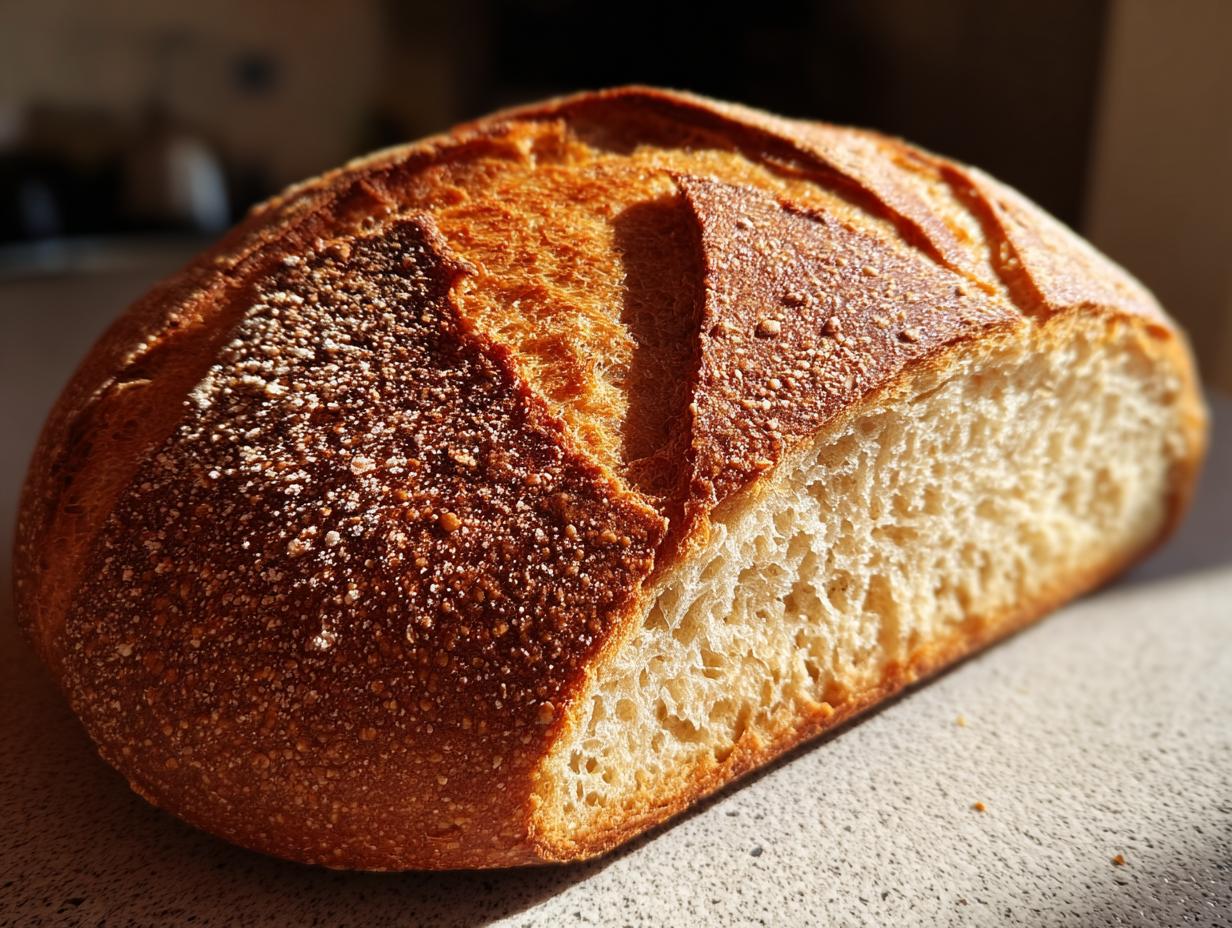
While your dough is doing its thing, preheat your oven to 375°F (190°C). Place your shaped loaf onto a baking sheet lined with parchment paper. Now, it’s time to bake! This usually takes about 30-35 minutes. You’ll know it’s done when the crust is a beautiful golden brown and it sounds hollow when you tap the bottom. Let it cool on a wire rack for at least 20 minutes before slicing – I know, the hardest part!
Tips for Achieving Amazing Baking Bread Results
Okay, so you’ve made the bread, but how do we make sure every single loaf is a winner? It’s all about paying attention to a few little things that really make a difference in your baking bread game. Don’t worry if your first few loaves aren’t Pinterest-perfect; that’s totally normal! These tips will help you get closer with every bake.
Understanding Dough Consistency
Sometimes your dough might feel a little too sticky or too dry, and that’s usually because of the humidity where you are or even the type of flour you used! If it’s too sticky, just add a tiny bit more flour, a tablespoon at a time. If it feels too dry, add a splash more warm water. Trust your hands – they’ll tell you what the dough needs!
Oven Temperature and Baking Hacks
An oven thermometer is your best friend for consistent baking bread. Ovens can be tricky! For an extra-crispy crust, try placing a shallow pan of water on the bottom rack while your oven preheats. The steam helps create that amazing, crackly crust. Just remember to take it out before your bread is done!
Troubleshooting Common Baking Bread Issues
If your bread comes out dense, it might be the yeast wasn’t active or it didn’t rise long enough. If it didn’t rise at all, double-check your yeast and water temperature. If it’s a bit flat but still cooked, don’t fret! It still tastes great toasted with butter.
Frequently Asked Questions About Baking Bread
Got questions about baking bread? I totally get it! It’s a learning process, and there are always a few things that pop up. Here are some common ones I get asked a lot:
Can I Make This Bread Without Yeast?
This particular recipe relies on yeast for that classic fluffy texture. If you’re looking for something super quick without yeast, you might want to explore quick bread recipes! Things like soda bread or muffins use chemical leaveners instead of yeast, so they come together much faster.
How Do I Store My Homemade Bread?
The best way to store your beautiful homemade bread is at room temperature in a bread box or a loosely tied paper bag. Avoid plastic bags if you can, as they can make the crust soft. For longer storage, slice it up and freeze it in an airtight container or freezer bag – it’s perfect for toasting later!
What If My Dough Doesn’t Rise?
Oh no, a stubborn dough! First, check your yeast – is it fresh and was the water warm enough (but not too hot)? If the yeast is good, it might be too cold in your kitchen. Try putting the covered dough in a slightly warm oven (turned off, of course!) or near a sunny window. Sometimes it just needs a little extra encouragement!
Understanding the Nutrition in Your Baked Bread
Just a quick note about the nutrition info you might see for this baking bread recipe: it’s always an estimate! Things like the exact type of flour, the brand of yeast, or even how much salt you use can change the numbers a bit. So, think of these figures as a general guide. The most important thing is that you’re enjoying delicious, wholesome bread that you made yourself!
Share Your Baking Bread Journey
I absolutely LOVE seeing your creations! Once you’ve tried baking bread with this guide, please drop a comment below and tell me how it went. Did you love it? Did you try any fun variations? Feel free to rate the recipe too! And if you snap a photo of your gorgeous loaf, I’d be thrilled if you shared it. Your baking adventures inspire me and everyone else!
Print
Baking Bread: Your First Perfect Loaf
- Total Time: 50 minutes
- Yield: 1 loaf
- Diet: Vegetarian
Description
A guide to baking bread at home, covering simple recipes, essential tips, and techniques for delicious homemade loaves.
Ingredients
- Flour
- Water
- Yeast
- Salt
Instructions
- Combine ingredients.
- Knead the dough.
- Let the dough rise.
- Shape the dough.
- Bake the bread.
Notes
- Use fresh yeast for best results.
- Adjust water based on flour absorption.
- Monitor oven temperature for even baking.
- Prep Time: 20 minutes
- Cook Time: 30 minutes
- Category: Baking
- Method: Baking
- Cuisine: International
Nutrition
- Serving Size: 1 slice
- Calories: 100
- Sugar: 2g
- Sodium: 150mg
- Fat: 1g
- Saturated Fat: 0g
- Unsaturated Fat: 1g
- Trans Fat: 0g
- Carbohydrates: 20g
- Fiber: 1g
- Protein: 4g
- Cholesterol: 0mg
Keywords: baking bread, homemade bread recipes, easy bread baking, artisan bread at home, no knead bread, sourdough bread baking, quick bread recipes, bread baking tips, healthy bread recipes, bread baking step by step, gluten free bread baking